Digital Payments vs. Cash – Which Is Best for Your Finances?

Digital Payments vs. Cash – Which Is Best for Your Finances?
In a world where mobile wallets, contactless cards, and instant transfers have become the norm, cash can seem like a thing of the past. Yet many Americans still prefer to keep bills in their wallets—not just out of habit, but because it helps them stay mindful of their spending. So which option is better for your finances: digital payments or cash? Here’s a look at the pros and cons of each, so you can decide what fits your lifestyle and financial goals.
The Digital Economy – Fast, Convenient, and Efficient
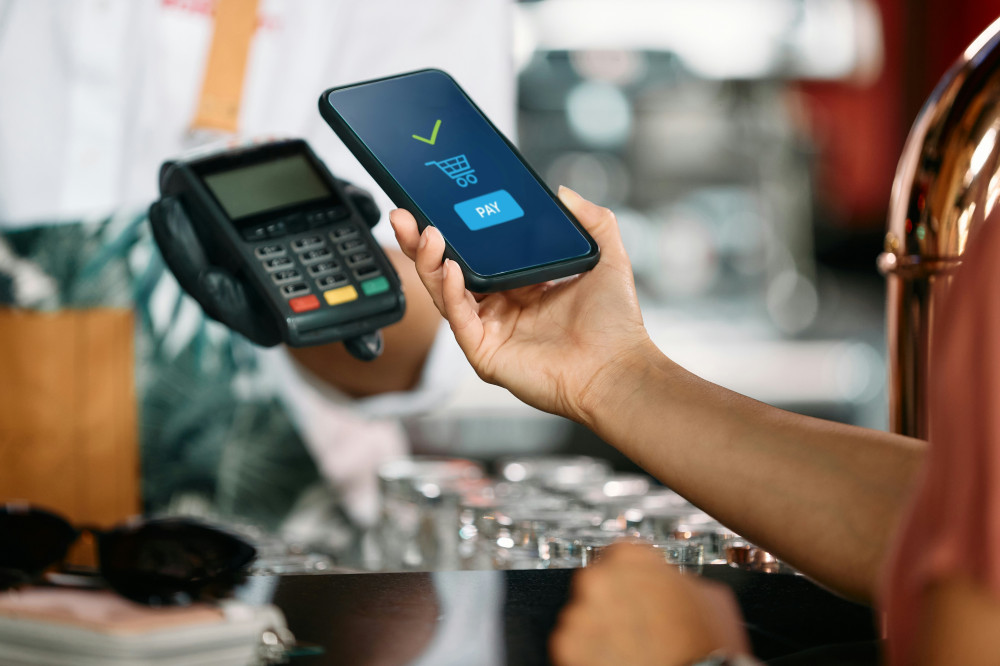
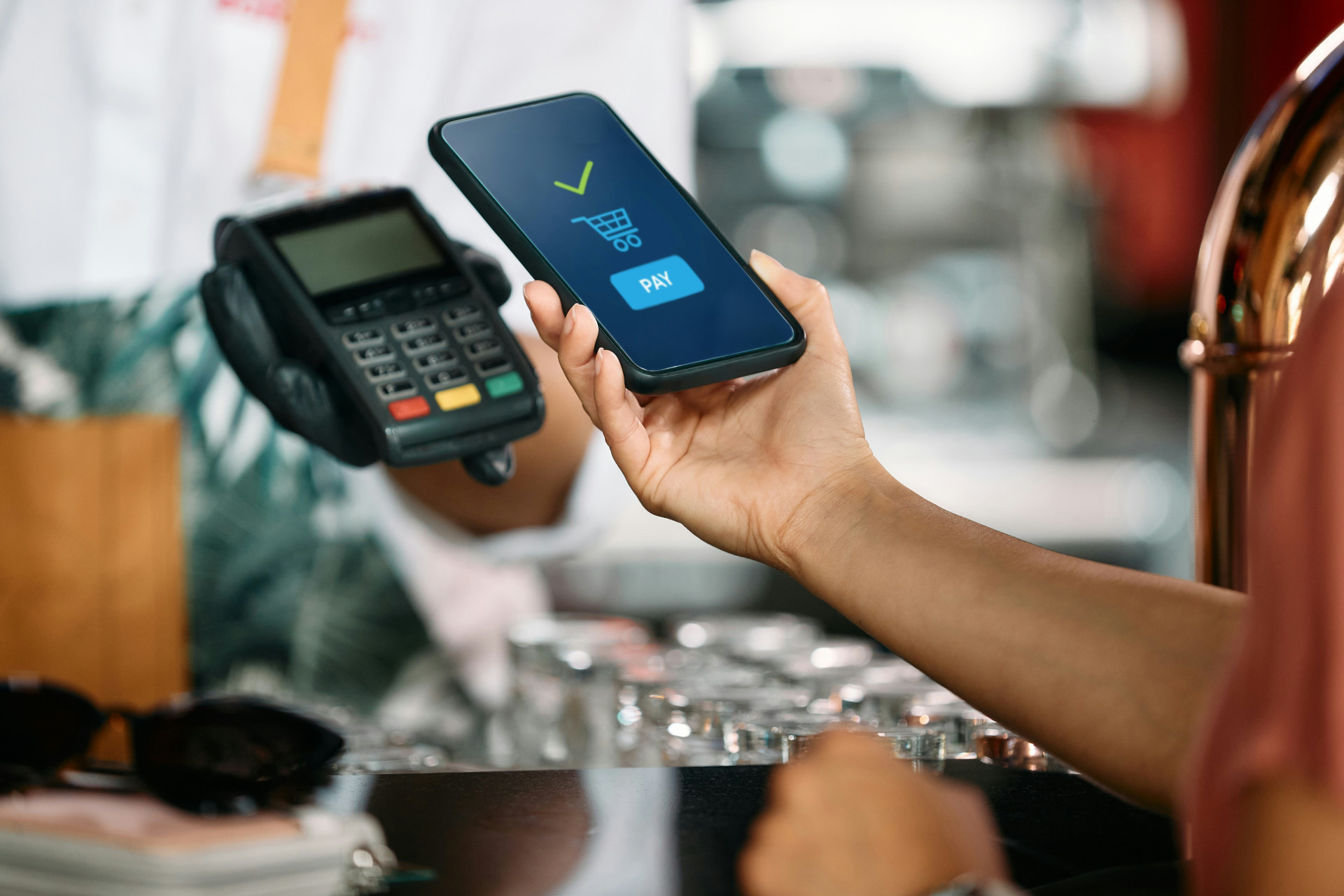
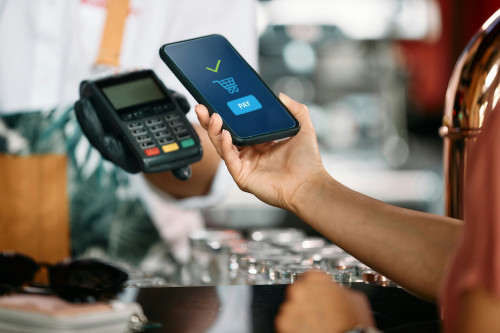
Digital payments have transformed how we handle money. With tools like Apple Pay, Google Pay, Venmo, PayPal, and Zelle, you can pay for almost anything in seconds—no need to visit an ATM or carry cash.
Advantages of Digital Payments
- Convenience: You can pay in stores, online, or even split a dinner bill with friends instantly. No more fumbling for change or worrying about exact amounts.
- Financial tracking: Most banking apps and payment platforms automatically categorize your spending, making it easier to see where your money goes.
- Security: Digital payments reduce the risk of theft or loss, and most services include fraud protection, encryption, and two-factor authentication.
- Speed: Transactions process immediately, and you can send or receive money anytime, anywhere.
Disadvantages of Digital Payments
- Easier to overspend: When you don’t physically hand over cash, it’s easy to lose track of how much you’re spending.
- Dependence on technology: If your phone dies, your card malfunctions, or a system goes down, you might be stuck without a way to pay.
- Privacy concerns: Every digital transaction leaves a data trail, which can be used for marketing or analytics—something not everyone is comfortable with.
Læs også:

Cash – The Classic Choice with Timeless Benefits
While cash plays a smaller role in daily life, it still offers unique advantages—especially for those who want to stay in control of their budgets or avoid digital footprints.
Advantages of Cash
- Better spending awareness: Physically handing over money makes you more conscious of your purchases, which can help you stick to a budget.
- Always works: Cash doesn’t rely on Wi-Fi, apps, or electricity. It’s accepted almost everywhere, especially at small businesses, farmers markets, and local events.
- Privacy: Cash transactions are anonymous, leaving no digital record of what you buy or where you spend.
- Budgeting tool: Many people use the “cash envelope” method—setting aside cash for specific categories like groceries or entertainment—to prevent overspending.
Disadvantages of Cash
- Less convenient: You need to withdraw it in advance, and some stores or venues now prefer or even require card payments.
- Risk of loss or theft: If you lose cash, it’s gone for good. There’s no way to recover it like you can with a bank or credit card.
- Limited tracking: Without digital records, it can be harder to monitor your spending or analyze your financial habits.
Which Option Fits You Best?
The right choice depends on your habits, comfort with technology, and financial discipline. Many Americans find that a mix of both works best—using digital payments for everyday convenience and cash for budgeting or specific spending goals.
A smart approach is to take advantage of digital tools while staying mindful of your spending. For example, you might set up automatic alerts for large purchases or transfer a set amount to a separate account for discretionary spending. Meanwhile, using cash for certain categories—like dining out or weekend fun—can help you stay within limits.
The Future of Payments
The U.S. is moving steadily toward a more digital economy, with contactless and mobile payments growing every year. Still, cash isn’t going away anytime soon. It remains a reliable backup and a symbol of financial independence and control.
Ultimately, the best payment method is the one that helps you feel secure, organized, and in control of your money. Whether you tap your phone or hand over a few bills, what matters most is maintaining awareness of your spending and making choices that support your financial well-being.
Læs også: