From 8-Bit to 4K: The Evolution of Game Consoles Through the Generations


From 8-Bit to 4K: The Evolution of Game Consoles Through the Generations
From simple beeps and blocky sprites to lifelike worlds rendered in 4K, the story of game consoles is one of constant innovation and cultural transformation. Each generation has pushed the boundaries of technology while reshaping how we play, connect, and experience entertainment. Here’s a look back at the journey from 8-bit beginnings to today’s ultra-realistic gaming—and a glimpse of what’s next.
The 1980s: 8-Bit and the Birth of Home Gaming
In the early 1980s, video games made the leap from arcades to living rooms. Systems like the Nintendo Entertainment System (NES) and Sega Master System brought gaming into millions of homes across America. The graphics were simple, but the creativity was boundless. The 8-bit era introduced timeless icons like Mario, Link, and Sonic—characters who remain cultural touchstones decades later.
Games were often short but challenging, relying on players’ imagination to fill in the visual gaps. It was a time when gameplay and design ingenuity mattered more than realism, and every victory felt earned.
The 1990s: 16-Bit, 3D, and the Console Wars
The 1990s saw gaming evolve at lightning speed. The Super Nintendo Entertainment System (SNES) and Sega Genesis ushered in the 16-bit era, delivering richer graphics, better sound, and more complex worlds. The rivalry between Nintendo and Sega defined the decade, with fans passionately defending their favorite consoles.
By the mid-’90s, 3D gaming arrived with the Sony PlayStation and Nintendo 64. Suddenly, players could explore fully realized 3D environments. Titles like Super Mario 64 and Final Fantasy VII redefined what video games could achieve—both technically and emotionally—and set the stage for gaming’s mainstream explosion.
The 2000s: DVDs, Online Play, and the Dawn of HD
The new millennium transformed consoles into full-fledged entertainment hubs. The PlayStation 2, Xbox, and Nintendo GameCube offered not just games, but DVD playback, music, and internet connectivity. The PS2 became one of the best-selling consoles of all time, while Microsoft’s Xbox introduced Xbox Live, revolutionizing online multiplayer gaming.
Games like Halo, Grand Theft Auto III, and The Legend of Zelda: The Wind Waker showcased how storytelling, graphics, and gameplay could merge into cinematic experiences. For the first time, gaming wasn’t just a pastime—it was a cultural force.
The 2010s: HD, Motion, and the Rise of Streaming
By the 2010s, high-definition visuals became the norm. Consoles like the PlayStation 4, Xbox One, and Nintendo Switch pushed graphical fidelity and performance to new heights. Gaming also became more social and connected than ever before. Players could stream gameplay, share clips, and join massive online communities.
Nintendo charted its own course with motion controls and hybrid gaming, while Sony and Microsoft focused on power and online ecosystems. The concept of gaming as a service took hold, with digital downloads, updates, and subscription models changing how players accessed and owned games.
Læs også:


The 2020s: 4K, Ray Tracing, and Seamless Play
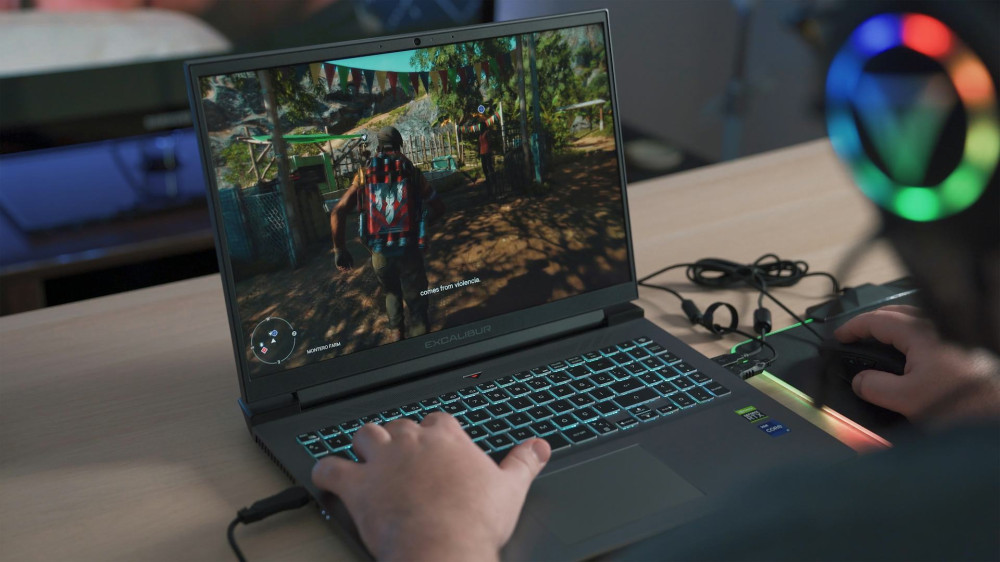
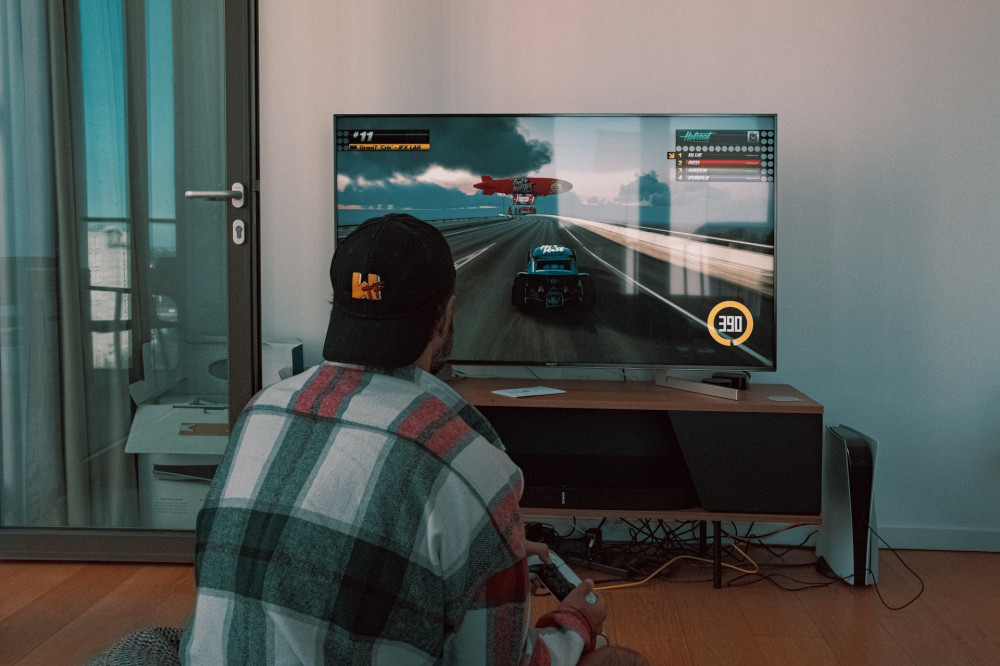
Today’s consoles—the PlayStation 5 and Xbox Series X/S—represent the pinnacle of home gaming technology. With 4K resolution, ray tracing, and lightning-fast SSDs, games now load almost instantly and look more realistic than ever. The line between platforms is blurring, as cross-play and cloud gaming allow players to connect across consoles, PCs, and even mobile devices.
Subscription services like Xbox Game Pass and PlayStation Plus have redefined access to games, offering vast libraries on demand. Meanwhile, cloud gaming promises a future where high-end experiences are no longer tied to expensive hardware.
The Future: AI, Immersion, and Sustainability
The next frontier of gaming isn’t just about sharper graphics—it’s about smarter, more adaptive experiences. Artificial intelligence could create worlds that respond dynamically to player choices, while virtual and augmented reality continue to expand what “playing a game” can mean.
At the same time, sustainability is becoming a key focus. Console makers are exploring energy-efficient designs and eco-friendly materials to reduce their environmental impact.
From Nostalgia to Next-Gen
Though the technology has evolved dramatically, the heart of gaming remains the same: the joy of discovery, competition, and shared experience. From the 8-bit adventures of the 1980s to today’s 4K masterpieces, game consoles have not only advanced technologically—they’ve shaped generations of players and built a global culture that continues to grow.
Læs også: