Student Life and Technology: Choose the Device That Fits Your Needs

Student Life and Technology: Choose the Device That Fits Your Needs
When a new semester begins, your digital device quickly becomes one of the most essential tools in your daily routine. Notes, assignments, group projects, and online classes all depend on technology that can keep up with your workload and fit your study habits. But should you go for a laptop, a tablet—or maybe a combination of both? Here’s a guide to help you find the device that best matches your needs as a student in the U.S.
Know Your Needs Before You Buy
The first step is to think about how you’ll use your device day to day. Do you mostly read articles, write papers, and attend virtual lectures? Or do you work with demanding software for design, video editing, or coding?
- Liberal arts and social sciences: If your work revolves around writing, research, and presentations, a lightweight laptop or a tablet with a keyboard should be more than enough.
- STEM and creative majors: Programs like AutoCAD, Adobe Creative Cloud, or coding environments require more power. Look for a laptop with a fast processor, plenty of RAM, and a dedicated graphics card.
- Commuting or studying on the go? Portability and battery life matter more than raw performance. A compact device with long battery life can make your day much easier.
Understanding your needs helps you prioritize features—and avoid paying for specs you’ll never use.
Laptop – The Classic Choice
For most students, a laptop remains the most versatile option. It can handle everything from essays to complex software and provides a full keyboard experience that’s ideal for long writing sessions.
Pros:
- Strong performance and flexibility
- Great for multitasking and large files
- Easy to connect to external monitors and accessories
Cons:
- Heavier than tablets
- Shorter battery life on high-performance models
- Often more expensive upfront
If you choose a laptop, aim for at least 8 GB of RAM, an SSD drive, and a 13–15 inch screen. That combination offers a good balance between mobility and comfort.
Tablet – Light, Flexible, and Perfect for Notes
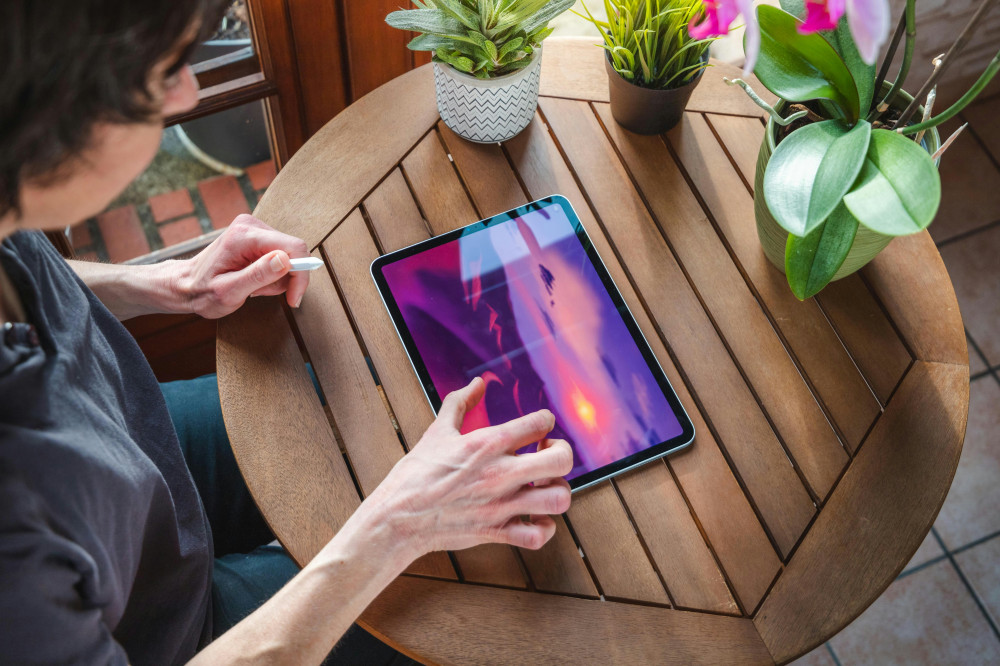
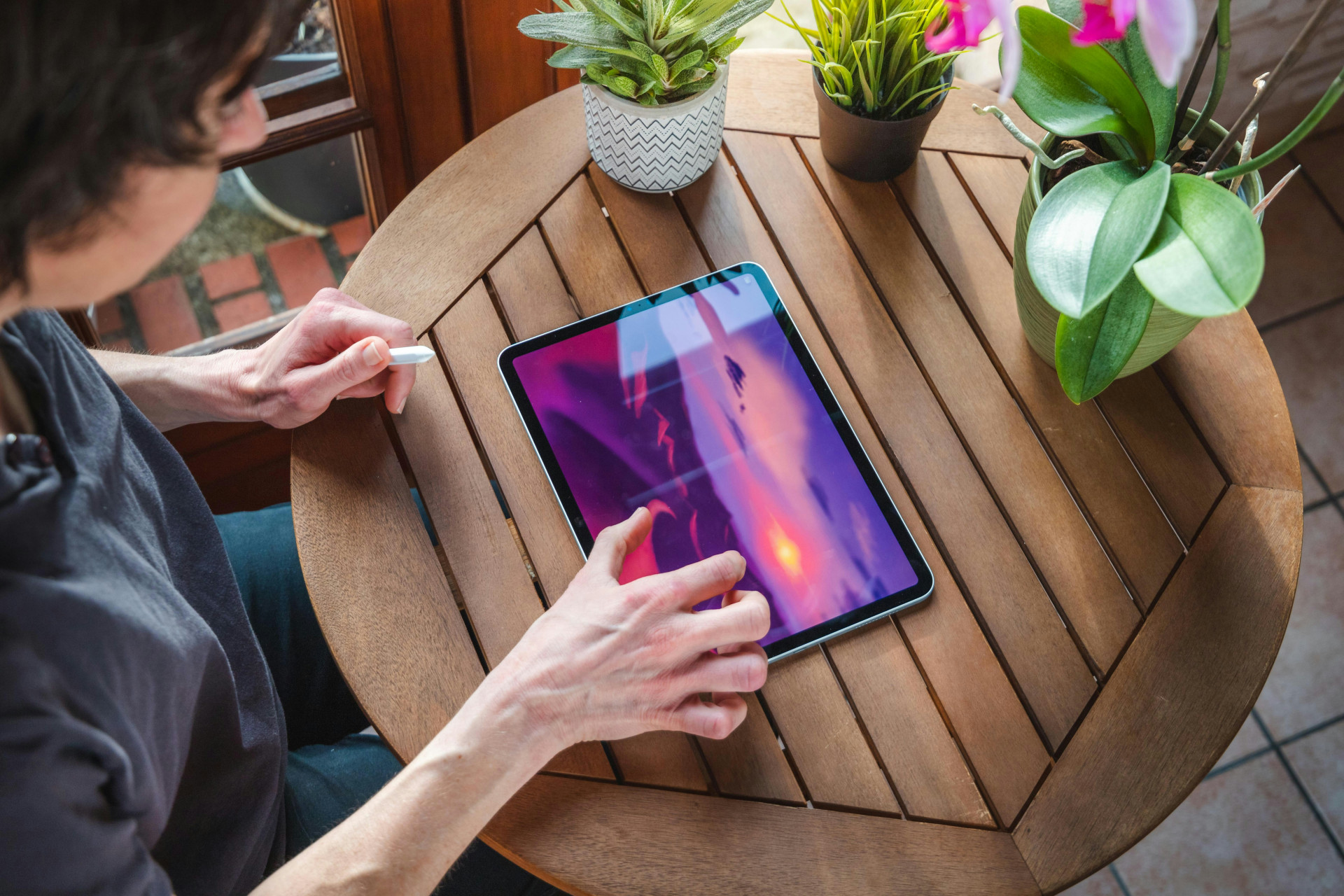
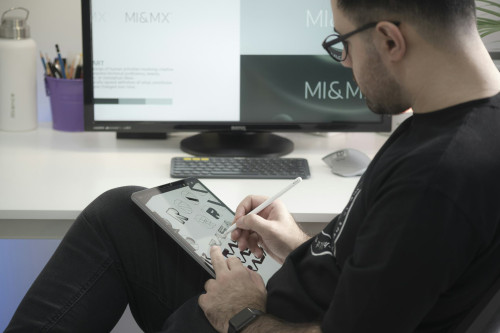
Tablets have evolved far beyond entertainment devices. With a detachable keyboard and stylus, they can serve as compact study companions—especially for note-taking, reading, and online learning.
Pros:
- Extremely portable and lightweight
- Long battery life
- Great for handwritten notes and e-books
Cons:
- Limited storage and processing power
- Not all desktop software is available as apps
- Less ideal for long writing assignments
A tablet can be a great supplement if you already have access to a desktop computer at home. Many students find that combining a tablet with cloud storage offers a flexible and affordable setup.
2-in-1 Devices – The Best of Both Worlds?
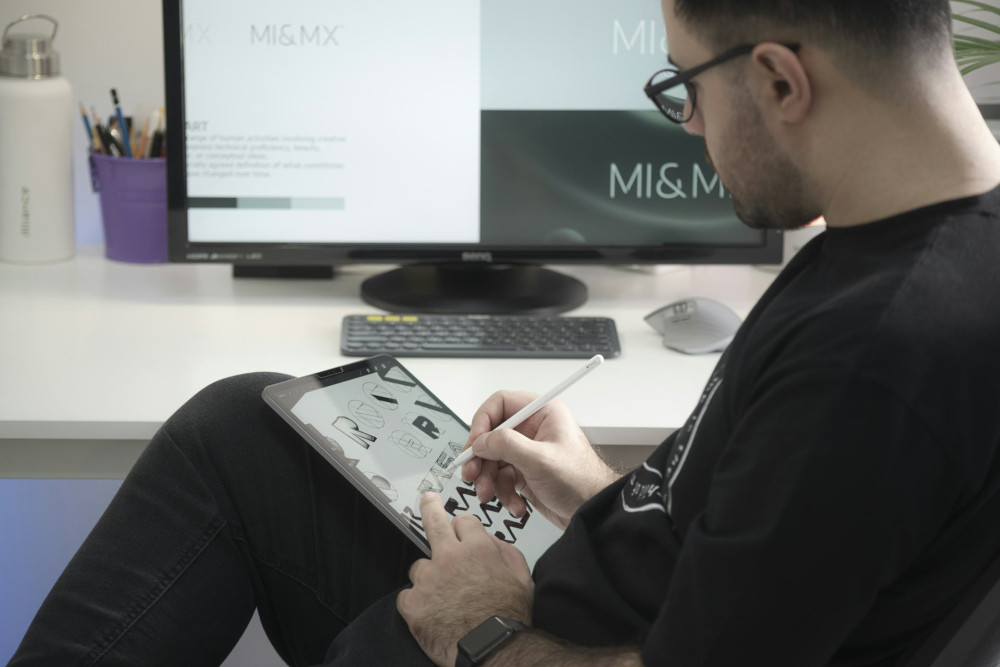
Hybrid devices that function as both laptop and tablet have become increasingly popular among students. They let you type essays with a keyboard and take handwritten notes with a pen—all on the same device.
Pros:
- Combines flexibility and functionality
- Works well for both typing and drawing
- Usually lightweight with solid battery life
Cons:
- Can be pricier than traditional laptops
- Less powerful than high-end laptops
- Keyboards and hinges may feel less sturdy
If you want one device for everything, a 2-in-1 could be the perfect compromise—especially if you value mobility and versatility.
Læs også:

Software and Accessories – Don’t Forget the Essentials
No matter which device you choose, the right software and accessories make a big difference. A reliable word processor, cloud storage, and backup options are must-haves. Many U.S. colleges and universities offer free access to Microsoft Office 365 or Google Workspace for students.
Also consider:
- External hard drive or cloud subscription for backups
- Wireless mouse and keyboard for better ergonomics
- Headphones with a microphone for online classes
- Protective cases and backpacks for safe transport
Small investments in accessories can make your study life much more comfortable.
Think Long-Term – and Sustainable
A good study device should last for several years. Choose a model that can be updated and repaired, with a reliable battery and solid build quality. Buying refurbished or certified pre-owned equipment can also save money and reduce environmental impact.
When you graduate, a well-chosen device can continue to serve you in your career, creative projects, or personal life—making it worth investing in quality from the start.
The Best Device Is the One That Fits You
There’s no single perfect device for every student. It’s all about finding the right balance between price, performance, and portability for your lifestyle. Whether you go for a classic laptop, a lightweight tablet, or a flexible hybrid, the most important thing is that your technology supports the way you learn and work—not the other way around.
Læs også: