From Pedometer to Smartwatch – The Technological Evolution of Wearables

From Pedometer to Smartwatch – The Technological Evolution of Wearables
Just two decades ago, a pedometer was a simple device that counted how many steps you took in a day. Today, wearables – from smartwatches to advanced health sensors – have become an integral part of daily life for millions of Americans. They track not only activity, but also sleep, heart rate, stress levels, and even blood oxygen saturation. The evolution of wearables tells the story of how technology has moved closer to the body – and increasingly become part of our identity.
The First Steps: From Mechanics to Digital Tracking
The earliest pedometers appeared as far back as the 1960s, but it wasn’t until the 1990s and early 2000s that they became mainstream. These early devices used a simple mechanical sensor to register movement each time the wearer took a step. Their purpose was straightforward: to encourage more physical activity and support a healthier lifestyle.
With the rise of digital technology, pedometers became more accurate and user-friendly. Suddenly, users could store data, compare results, and track progress over time. This marked the beginning of a new way to understand one’s own body – through numbers, graphs, and data-driven insights.
Læs også:


The Fitness Band Era
Around 2010, the development of wearables accelerated with the introduction of fitness bands like Fitbit and Jawbone. These devices combined step counting with sleep tracking, calorie estimation, and wireless synchronization to smartphone apps. For the first time, users could get a complete overview of their daily activity – and share their results with friends or on social media.
This social dimension turned wearables into more than just tools. They became part of a lifestyle where health, data, and motivation merged. Many users began competing with themselves – and with others – to reach the magic number of 10,000 steps a day.
The Smartwatch Revolution
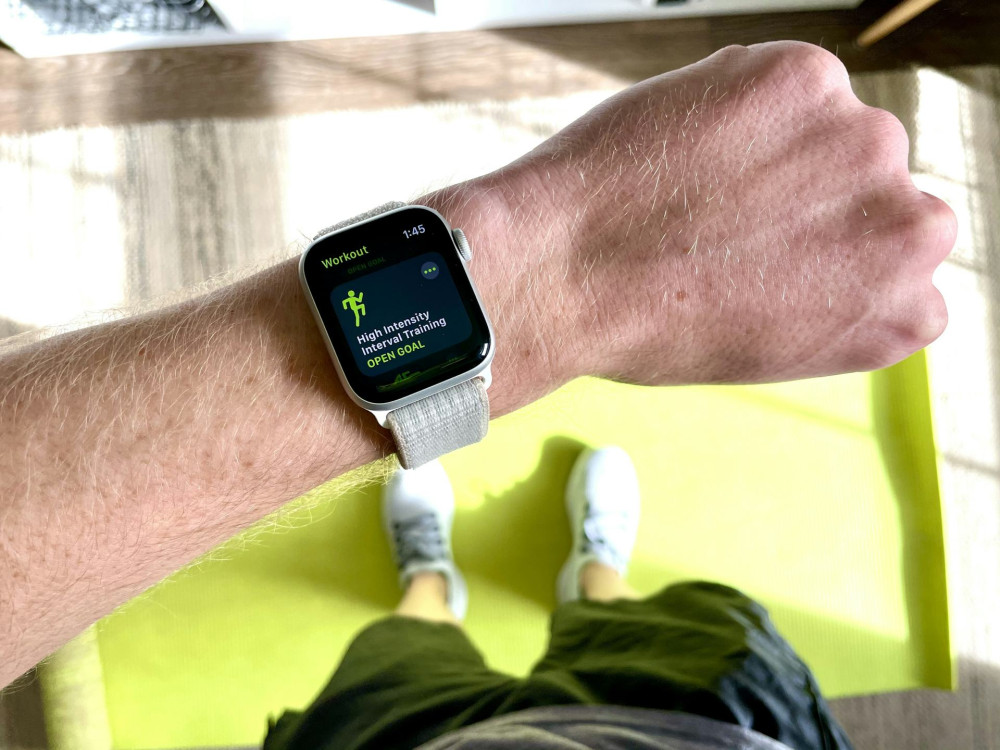
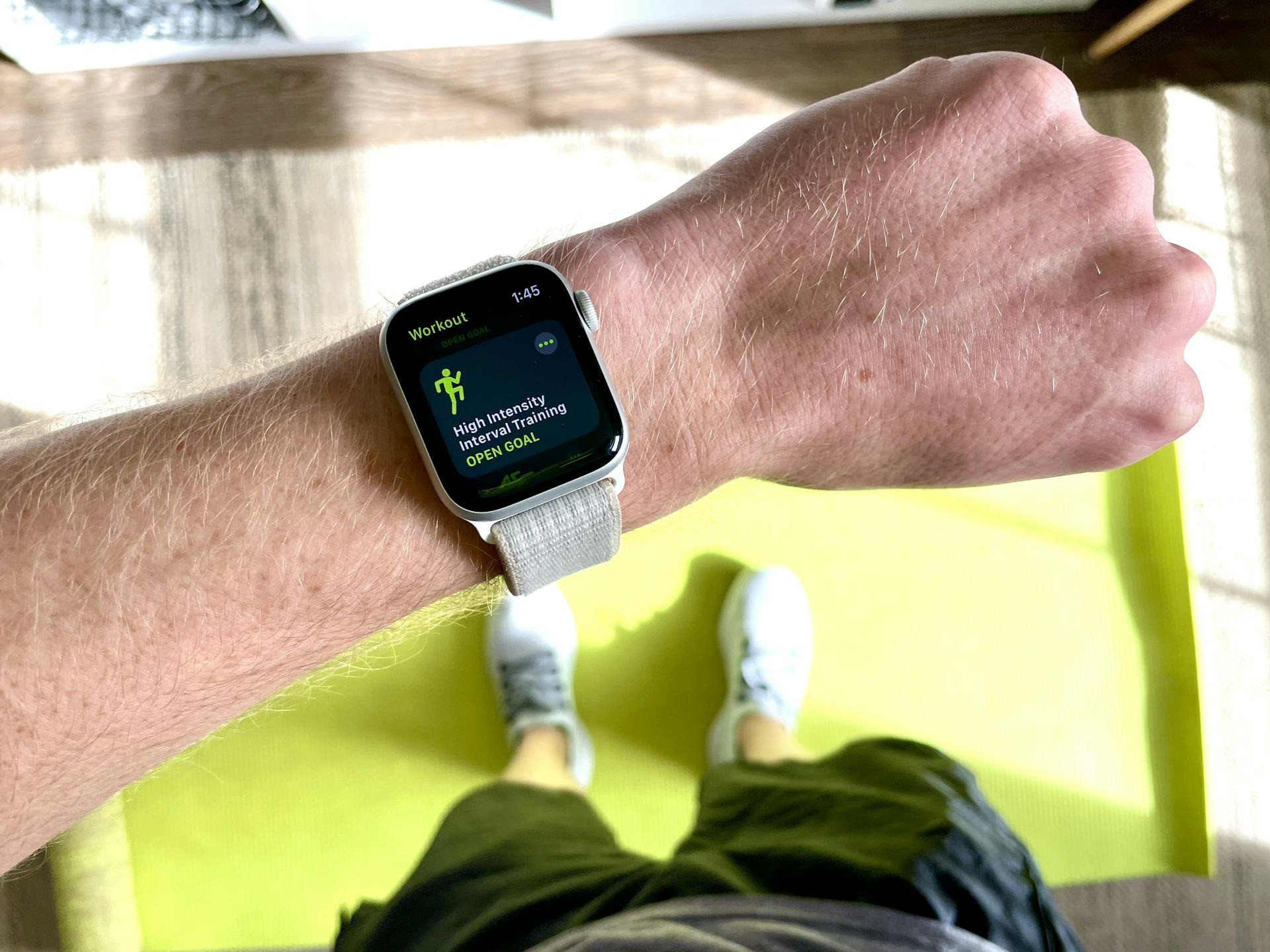
When Apple launched its first Apple Watch in 2015, it changed the game. Suddenly, a watch was no longer just a watch – it was a miniature computer on your wrist. Smartwatches combined the functions of fitness bands with notifications, music control, contactless payments, and even the ability to answer calls.
At the same time, other manufacturers like Samsung, Garmin, and Fitbit developed their own versions, often tailored to specific needs – from athletes to office workers. The smartwatch became a personal control center, connecting the body to the digital world.
Health Technology Close to the Body
Today, wearables are not just about convenience – they’re about health. The latest models can measure heart rhythm, blood oxygen levels, skin temperature, and even detect irregularities that may indicate illness. Some watches can alert users to signs of atrial fibrillation or falls – and automatically contact emergency services.
Researchers and tech companies are already working on the next generation of wearables: sensors embedded in clothing, earbuds, or even flexible patches that adhere directly to the skin. The goal is to create technology that feels natural – and provides even more precise health data.
Data, Ethics, and the Challenges Ahead
With all these possibilities come new questions. Who owns the data that wearables collect? How can privacy and data security be ensured when our most personal information – heart rate, sleep patterns, and movement – is stored in the cloud?
Experts point out that the biggest challenge for the future isn’t just technological, but ethical. For wearables to become a trusted part of healthcare, users must feel confident that their data is handled responsibly and transparently.
From Gadget to Life Companion
The journey from pedometer to smartwatch shows how technology has gradually become part of our everyday lives – and our self-understanding. Where we once measured only steps, we now measure sleep quality, stress, and overall well-being. Wearables are no longer just gadgets; they are personal assistants that help us understand and improve ourselves.
The future points toward even closer integration between body and technology – perhaps even implants that monitor health in real time. But no matter where innovation leads, it all began with a simple click in a pedometer – and the desire to take just a few more steps each day.
Læs også: