Gaming in Moderation: How to Create Balance in Your Daily Life


Gaming in Moderation: How to Create Balance in Your Daily Life
For many Americans, gaming is more than just a pastime—it’s a way to unwind, connect with friends, and challenge yourself. Whether you’re exploring vast open worlds, competing online, or playing casually on your phone, gaming can be a rewarding part of life. But like any enjoyable activity, it’s best when done in balance. Too much screen time can affect sleep, relationships, and overall well-being. Here’s how to enjoy gaming while keeping a healthy rhythm in your daily life.
Understand Why You Play
The first step toward balance is understanding what gaming gives you. Do you play to relax, to compete, or to socialize? Knowing your motivation helps you set boundaries and choose games that fit your needs.
If you play to unwind after work, you might prefer games that don’t demand long sessions or constant focus. If you love the social aspect, consider scheduling regular game nights with friends instead of playing spontaneously every evening. Being intentional about your gaming helps you stay in control of your time.
Set Clear Boundaries for Playtime
It’s easy to lose track of time when you’re immersed in a game. To prevent gaming from taking over, set clear limits on when and how long you play.
- Create a schedule—for example, only play after finishing daily responsibilities or on weekends.
- Use timers or apps to remind you to take breaks.
- Plan gaming-free days to make room for other activities.
By turning gaming into a conscious choice rather than a default habit, you’ll find it easier to balance it with the rest of your life.
Keep Variety in Your Routine
Gaming can be a great hobby, but it shouldn’t be your only one. Balance screen time with activities that engage your body and mind in different ways.
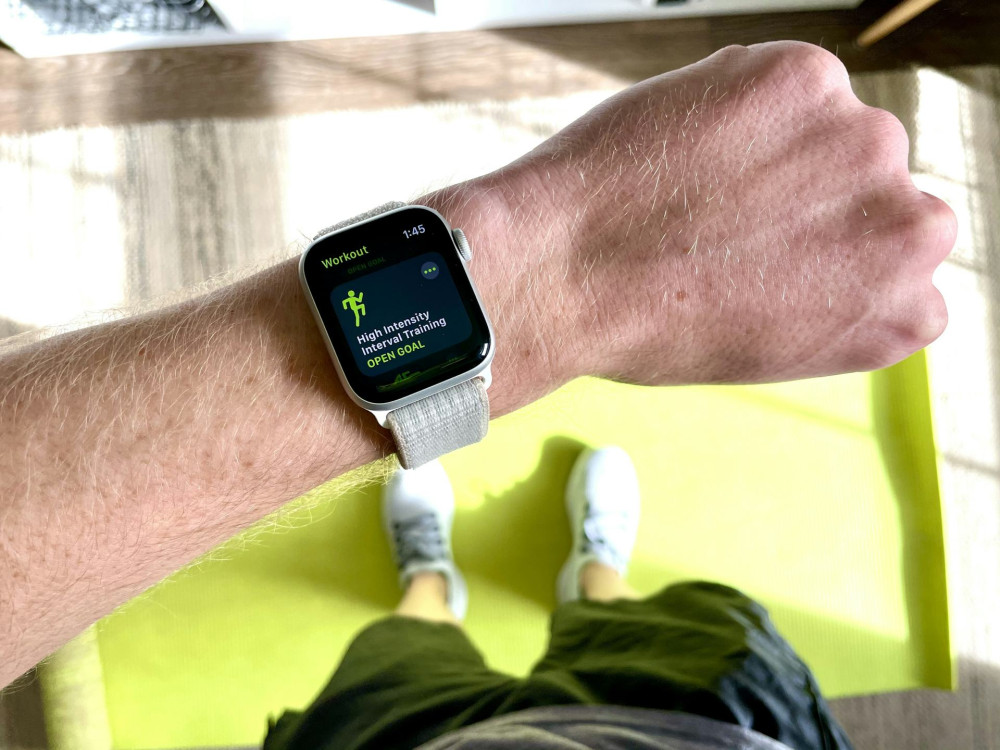
- Stay active—go for a walk, hit the gym, or try a new sport.
- Connect offline—spend time with family, meet friends for coffee, or join a local club.
- Explore creativity—cook, draw, play music, or try a DIY project.
When you have multiple sources of joy and fulfillment, gaming becomes one part of a rich and balanced lifestyle.
Protect Your Sleep
Late-night gaming sessions are a common culprit behind poor sleep. The bright screen and mental stimulation can make it hard to wind down. Try to stop gaming at least an hour before bed and use that time for something relaxing—reading, stretching, or listening to calm music.
A consistent sleep schedule not only improves your health but also enhances your focus and performance—both in games and in everyday life.
Læs også:




Communicate About Your Gaming Habits
If you live with others, talk openly about your gaming routine. This helps avoid misunderstandings and keeps relationships strong. Explain why you enjoy gaming, and listen to how others feel about it. Together, you can agree on boundaries—like quiet hours or shared screen time.
For parents, the same applies to kids and teens who game. Show interest in what they play, discuss healthy limits, and encourage balance. Gaming can be a positive part of growing up when it’s supported by communication and structure.
When Gaming Starts to Take Over
If gaming begins to interfere with work, school, sleep, or relationships, it may be time to reassess your habits. Start small—shorter sessions, more breaks, or trying new activities. Some people benefit from taking a short break from gaming altogether to reflect on what they miss and what they don’t.
If you find it hard to cut back, consider reaching out for support. Many communities and counseling services can help you build healthier routines. Remember, gaming should add to your life—not take away from it.
Making Gaming Part of a Balanced Life
Gaming doesn’t have to conflict with a healthy, active, and social lifestyle. In fact, when done mindfully, it can enhance your life by offering fun, connection, and creativity. By setting boundaries, staying self-aware, and keeping variety in your day, you can enjoy the best of both worlds—gaming satisfaction and overall well-being.
So next time you pick up the controller or log in online, do it with intention—and make sure there’s still room for everything else that makes life meaningful.
Læs også: