Future-proofing modern workspace collaboration: essential considerations for meeting room av equipment

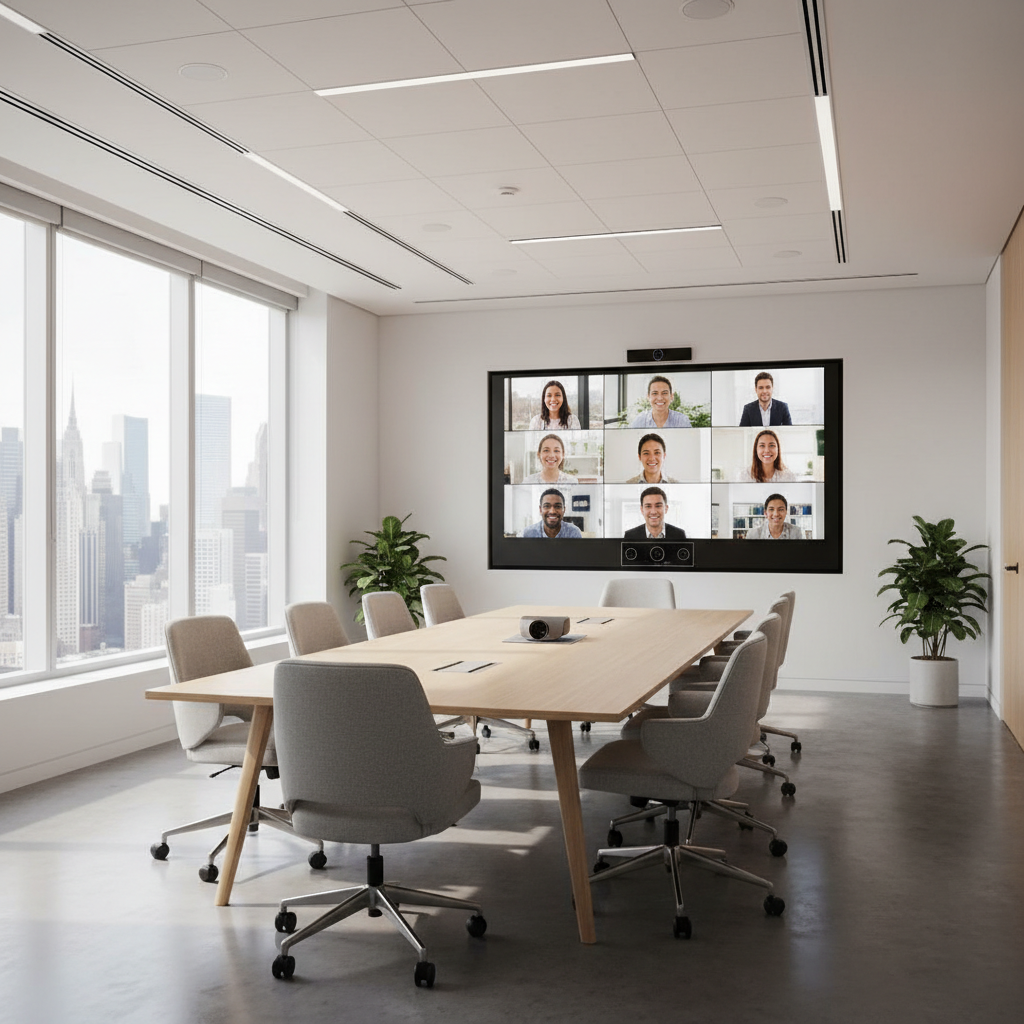
The transition toward permanent hybrid work models has fundamentally altered how organizations approach their physical office infrastructure. With a significant percentage of companies adopting flexible arrangements, the demand for high-quality technology that bridges the gap between remote and in-office participants has never been higher. Investing in the right meeting room AV equipment is no longer just an IT upgrade but a strategic business necessity to ensure productivity and seamless communication. By prioritizing scalable and intuitive systems, businesses can reduce meeting disruptions and foster a more inclusive environment for global teams.


Planning for interoperability and intelligent systems

When planning for future-proof AV equipment, it is essential to focus on interoperability and the convergence of AV and IT systems. Modern workspaces require technology that supports various unified communications platforms while remaining flexible enough to adapt to changing room layouts. Key trends for 2025 and 2026 suggest that AI-driven features, such as automatic camera framing and intelligent noise cancellation, will become standard requirements for professional settings. These advancements help mitigate common issues like Zoom fatigue and audio latency, which are often cited as primary barriers to effective remote collaboration.

Critical factors for selecting new technology

There are several critical factors to consider when selecting new technology for your office. Scalability is vital, so choose modular hardware that allows for easy upgrades over five to seven years rather than requiring a complete system replacement. Prioritize user experience by selecting intuitive interfaces that minimize setup time, as complex systems often lead to lower adoption rates among staff. Implement security measures such as zero-trust models and encrypted streams to protect corporate data against the rising number of vulnerabilities targeting network-connected AV devices. Finally, consider sustainability by integrating AV systems with building management tools, such as occupancy sensors, to optimize power consumption and reduce the overall carbon footprint of the workspace.

Designing human-centric meeting spaces

Beyond the technical specifications, the design of the meeting space itself should be human-centric. Organizations that successfully implement these upgrades often report significant gains in innovation and employee satisfaction. By aligning technology with the actual needs of users, companies can create dynamic environments that support everything from small huddle sessions to large, multi-site conferences. As the market continues to evolve toward more intelligent and automated solutions, the ability to integrate advanced audio and video arrays will remain a competitive advantage for any forward-thinking business.

Removing friction from team performance

Ultimately, the goal of modernizing your conference technology is to remove the friction that prevents teams from performing at their best. Whether it is through the deployment of beamforming microphones or high-definition interactive displays, the focus must remain on creating a consistent experience for all participants regardless of their physical location. By carefully selecting reliable solutions and focusing on long-term infrastructure, your organization can build a resilient digital workspace that is prepared for the challenges of the coming years.

admin@truetold.com