GRC Systems: Why More Businesses Are Making the Switch to RISMA
IT
IT
10/07/2025

GRC Systems: Why More Businesses Are Making the Switch to RISMA
IT
IT
10/07/2025
If you’ve ever tried juggling compliance, risk management, and internal policies across a growing organization, you know how quickly things can spiral. Spreadsheets get messy. Emails get lost. And audits? They feel like they’re always just around the corner.
This is exactly where a GRC system like RISMA’s steps in and frankly, once you’ve seen how it works, it’s hard to go back.
First, What Even Is a GRC System?
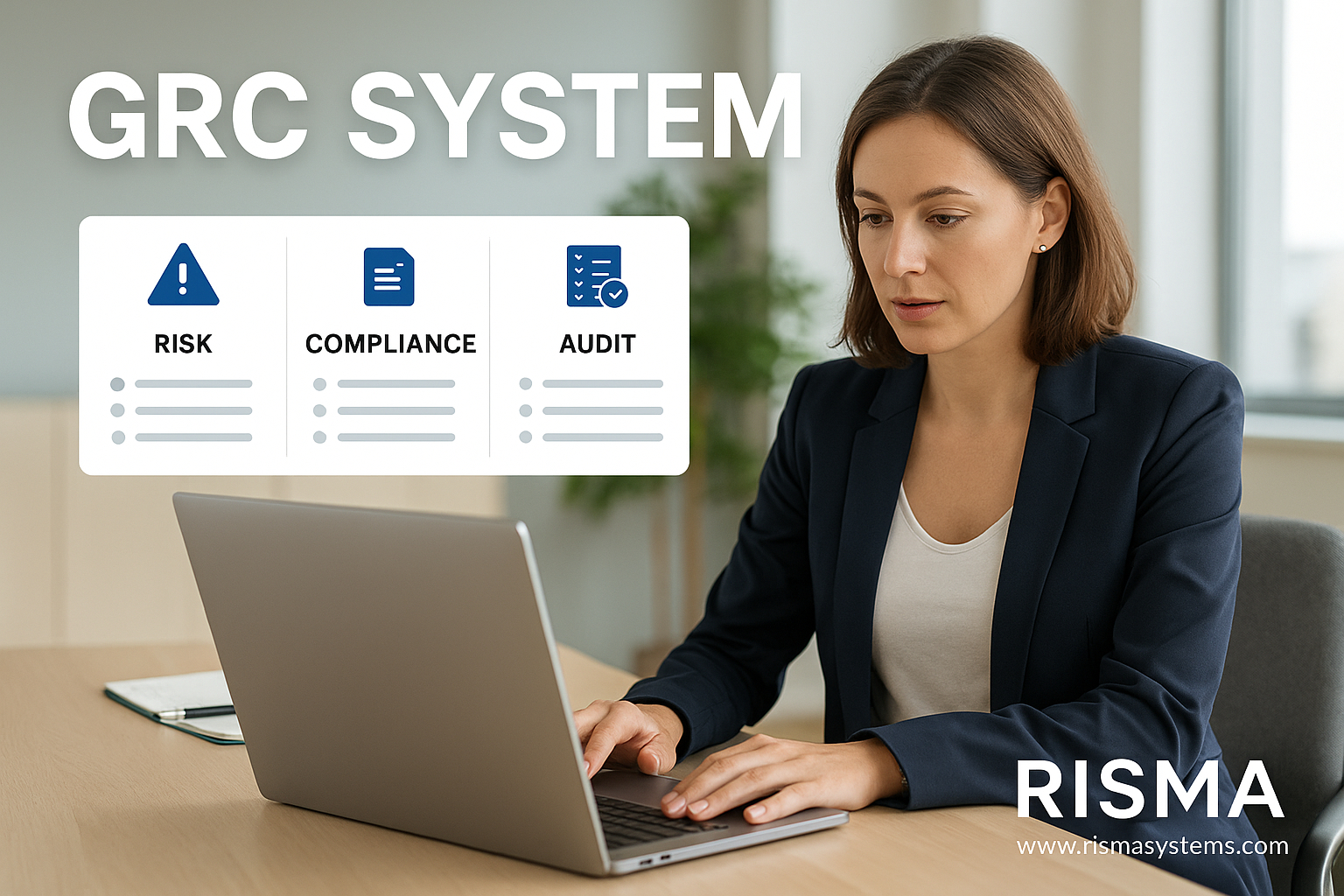
GRC stands for Governance, Risk, and Compliance. In plain terms, a GRC system is a digital platform that helps organizations keep everything organized from risk assessments to GDPR compliance and internal audits.
Instead of having multiple disconnected tools or drowning in Word docs and Excel files, a good GRC system pulls everything together into one unified space. That’s the idea behind RISMA’s platform.
What Makes RISMA Different?
RISMA isn’t a generic software company trying to bolt on compliance tools. This is their bread and butter. Headquartered in Denmark, RISMA builds and supports a modular GRC platform designed to adapt to different industries, regulations, and company sizes.
Whether you’re managing risk in a bank, staying GDPR-compliant in healthcare, or juggling ESG requirements in a listed company, the RISMA platform is built to help not confuse.
Here’s what you can expect:
- Modular setup – You only use the parts of the system you need. Whether it's risk management, GDPR, ESG reporting, or internal controls, it's all there but nothing extra unless you want it.
- Clarity over complexity – The interface is clean. It doesn’t bury you in jargon or unnecessary layers. It’s built for actual day-to-day users, not just IT departments.
- Transparency and accountability – With everything logged, tracked, and visible, your team actually knows what’s going on, where the risks lie, and what’s being done about them.
- Audit-readiness – You don’t need to scramble when someone requests documentation. It’s all in the system already, updated in real-time, and easy to share securely.