Cable, DSL, or Fiber? Understanding the Differences in Signal and Infrastructure for Your Internet Connection


Cable, DSL, or Fiber? Understanding the Differences in Signal and Infrastructure for Your Internet Connection
When choosing home internet service in the U.S., you’ll typically encounter three main types of connections: cable, DSL, and fiber. Each delivers internet access, but they do so in very different ways — both in terms of technology and performance. To make the right choice, it helps to understand how each signal travels and what kind of infrastructure supports it.
DSL – Internet Through the Phone Line
DSL (Digital Subscriber Line) uses the existing copper telephone network to transmit data. Because it relies on infrastructure that’s already in place, DSL is still available in many rural and suburban areas where newer technologies haven’t yet reached.
However, DSL speed depends heavily on your distance from the provider’s central office. The farther the signal travels through copper wiring, the weaker it becomes. As a result, DSL speeds can range from just a few megabits per second to over 100 Mbps in the best conditions.
The main advantage of DSL is its wide availability and stable connection. The downside is that it’s limited in speed and more susceptible to interference than newer technologies. For households with modest internet needs, it can still be a practical and affordable option.
Cable – Internet via the TV Network
Cable internet uses the same coaxial cables that deliver cable television. This shared network allows providers to offer high download speeds — often up to 1 Gbps — without the need for new wiring in most neighborhoods.
The technology behind cable internet is called DOCSIS (Data Over Cable Service Interface Specification). The latest versions, such as DOCSIS 3.1, support very fast downloads, though upload speeds are typically lower. That’s because cable systems are optimized for downloading content rather than sending it.
One drawback of cable internet is that bandwidth is shared among nearby users. During peak hours, when many households are online, speeds can fluctuate. Still, for most users, cable offers a strong balance of speed, reliability, and availability.
Læs også:

Fiber – The Infrastructure of the Future
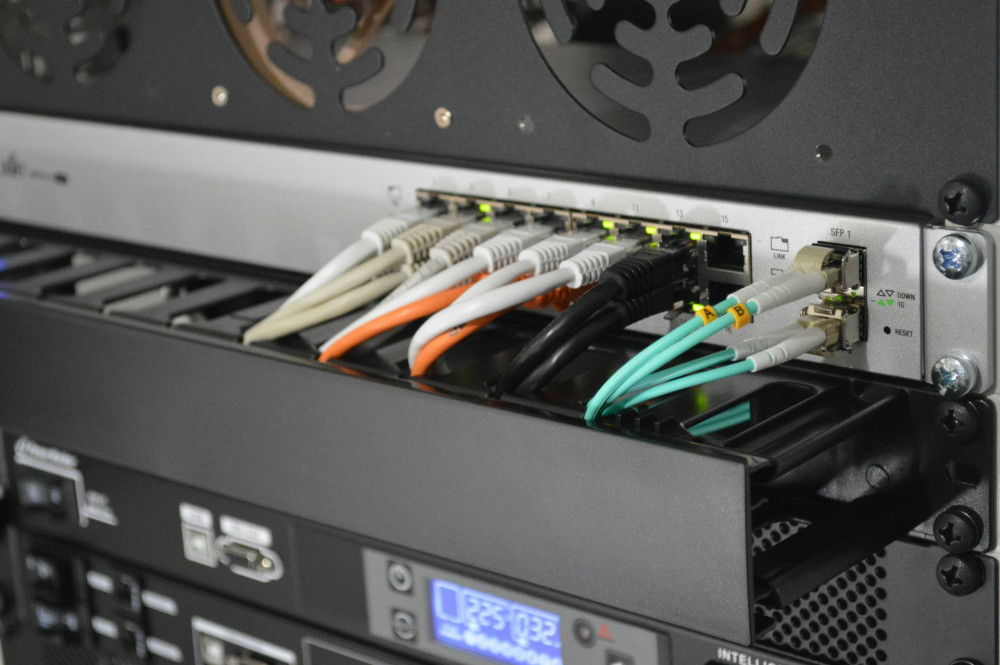
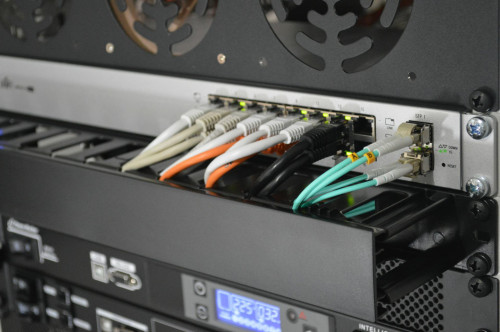
Fiber-optic internet is the most advanced and future-ready option. It transmits data as pulses of light through thin strands of glass, allowing for extremely high capacity and minimal signal loss — even over long distances.
With fiber, you typically get symmetrical speeds, meaning uploads are just as fast as downloads. This makes it ideal for remote work, online gaming, 4K streaming, and smart homes with many connected devices.
The main challenge with fiber is availability. Installing fiber requires new infrastructure, and not all areas — especially rural ones — are yet connected. However, once installed, fiber offers unmatched stability, speed, and scalability for future demands.
How Signal Type Affects Everyday Use
Choosing an internet connection isn’t just about numbers on a speed test. It’s about how you use the internet day to day. If you mainly browse, stream, and check email, DSL or cable may be sufficient. But if you work from home, upload large files, or have multiple devices online at once, fiber can make a noticeable difference.
Stability also matters. Fiber is less affected by electrical interference and weather conditions than copper or coaxial cables. That means fewer slowdowns and more consistent performance, even during peak usage times.
How to Choose the Right Option
When selecting an internet plan, start by checking which technologies are available at your address. Most U.S. providers offer online tools to help you see whether you can get fiber, cable, or DSL.
Consider the following factors:
- Speed needs: How many people use the internet, and for what activities?
- Reliability: Do you need a connection that stays consistent at all times?
- Cost and availability: Fiber may cost more to install but can offer better long-term value.
- Future-proofing: Fiber is the most scalable technology for the years ahead.
Conclusion: Matching Technology to Your Needs
There’s no one-size-fits-all solution. DSL remains a dependable and accessible choice, cable offers high speeds and convenience, and fiber delivers the fastest and most reliable performance. By understanding the differences in signal and infrastructure, you can choose the connection that best fits your household’s needs — today and in the future.
Læs også: