Wi‑Fi and Energy Savings: How Wireless Networks Make Homes More Energy‑Efficient

Discover how your home Wi‑Fi can do more than connect devices—it can help you save energy and money.
Internet
Internet
6 min
Wi‑Fi technology is reshaping the way we manage energy at home. From smart thermostats to connected appliances, your wireless network can optimize power use, reduce waste, and make everyday living more sustainable. Learn how to set up and use your Wi‑Fi for maximum energy efficiency.
Dylan Patel
Dylan
Patel

Wi‑Fi and Energy Savings: How Wireless Networks Make Homes More Energy‑Efficient

Discover how your home Wi‑Fi can do more than connect devices—it can help you save energy and money.
Internet
Internet
6 min
Wi‑Fi technology is reshaping the way we manage energy at home. From smart thermostats to connected appliances, your wireless network can optimize power use, reduce waste, and make everyday living more sustainable. Learn how to set up and use your Wi‑Fi for maximum energy efficiency.
Dylan Patel
Dylan
Patel

Wi‑Fi has become as essential to American homes as electricity and running water. We rely on it for work, entertainment, and communication—but it’s also quietly transforming how we manage energy. With the right setup, your wireless network can help you cut electricity use, lower utility bills, and make your home more sustainable.

Smart Homes Need Smart Networks

Energy‑efficient homes today are often “smart homes,” where devices communicate through Wi‑Fi. From thermostats and lighting to appliances and sensors, these connected systems can automatically adjust to your habits and reduce waste.

Take smart thermostats, for example. They learn your schedule and adjust heating or cooling when you’re away. Smart bulbs can dim or turn off when no one’s in the room. All of this happens through Wi‑Fi—saving energy without sacrificing comfort.

Wi‑Fi as the Hub of Energy Management

Wi‑Fi acts as the digital backbone that connects your devices to the apps controlling them. This allows you to monitor and manage energy use in real time, whether you’re at home or on the go.

  • Track usage: Smart plugs and energy monitors show how much power each device consumes.
  • Automate routines: Schedule when appliances turn on or off—like having your coffee maker run only in the morning.
  • Control remotely: Forgot to turn off the lights or adjust the thermostat? Do it instantly from your phone.

When you can see and control your energy use, it’s easier to make small changes that add up to big savings.

Wi‑Fi 6 and 6E: Faster and More Efficient

The latest Wi‑Fi standards—Wi‑Fi 6 and 6E—aren’t just about speed. They’re designed to be more energy‑efficient. Features like “Target Wake Time” let devices sleep when they’re not transmitting data, extending battery life for sensors and reducing overall power consumption.

For households with dozens of connected devices, upgrading to a newer router can improve coverage and efficiency at the same time.

Placement and Setup Matter

A strong, stable Wi‑Fi signal doesn’t just improve performance—it can also save energy. Devices that struggle to maintain a connection use more power. To optimize your network:

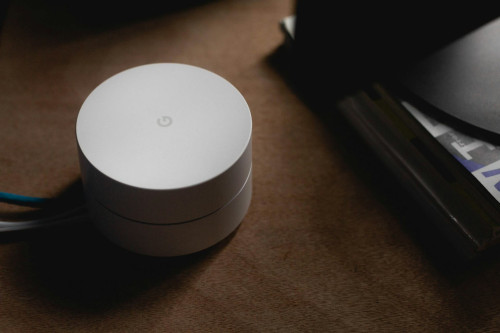
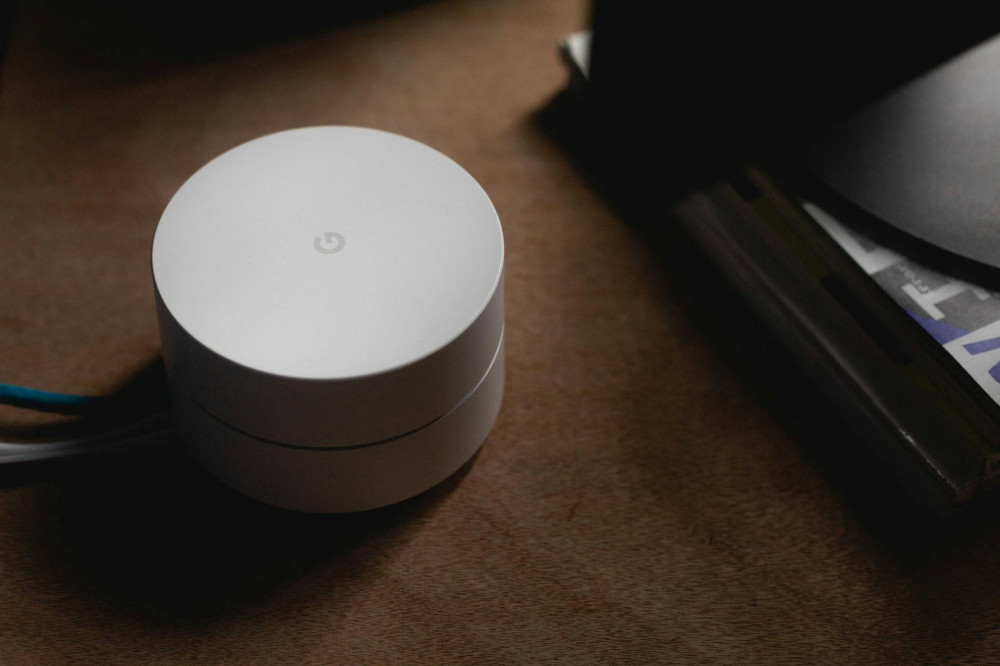
  • Place your router in a central, open location.
  • Avoid hiding it behind furniture or inside cabinets.
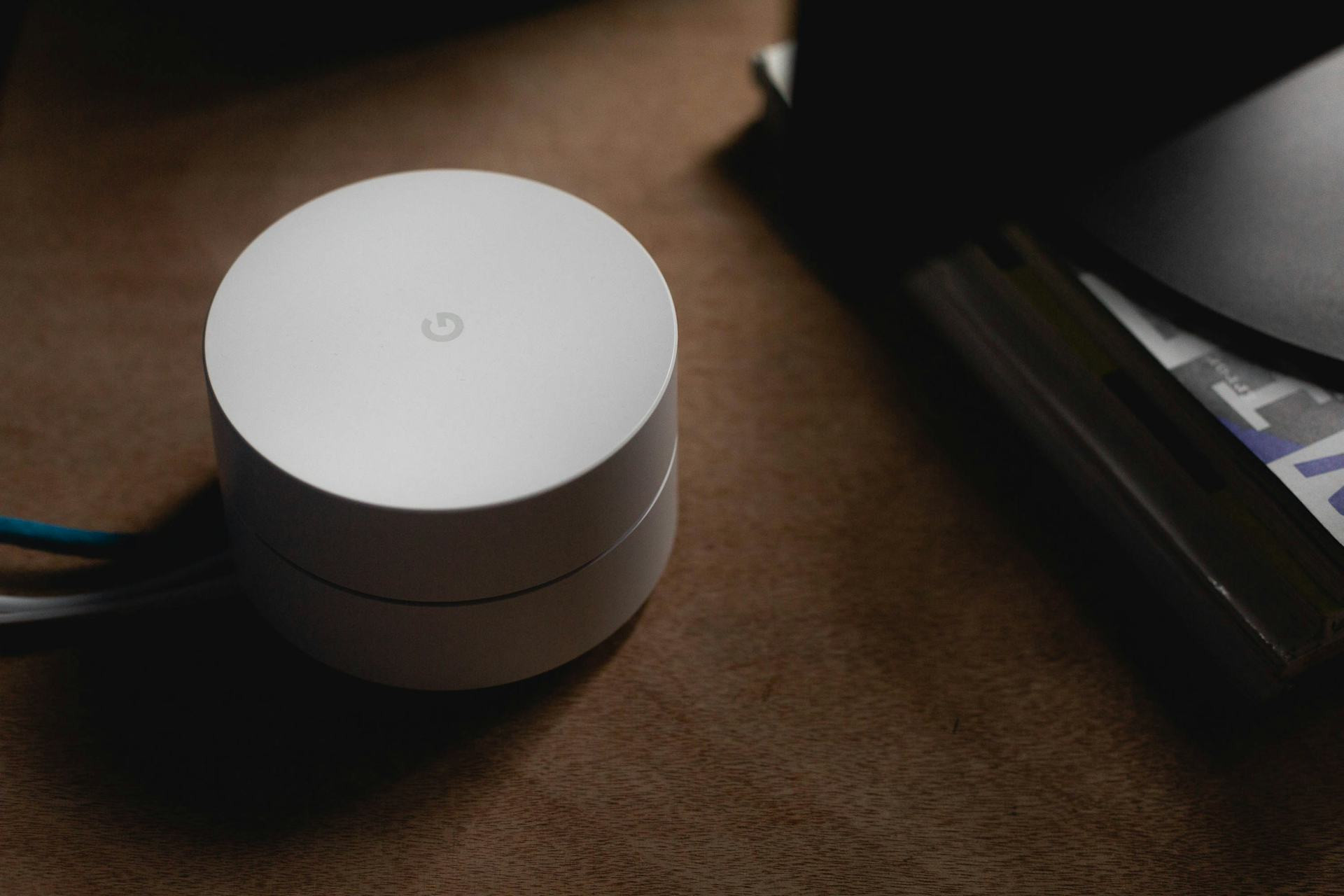
  • Consider a mesh network for larger homes to ensure consistent coverage.

When your devices have a reliable signal, they work more efficiently and consume less energy.

Wi‑Fi and Smart Energy Programs

Across the U.S., many utility companies now offer apps and programs that connect to your Wi‑Fi network. These tools let you track electricity rates and automate energy use. For instance, your dishwasher can run when rates are lowest, or your electric vehicle can charge overnight when demand on the grid is down.

By linking Wi‑Fi with smart energy management, you can take advantage of cleaner, cheaper power automatically.

The Future Is Wireless and Energy‑Smart

Technology is evolving quickly, and Wi‑Fi is at the heart of how we’ll manage energy in the future. As more devices become connected and sustainability becomes a priority, wireless networks will play a key role in making homes both comfortable and efficient.

By combining strong Wi‑Fi coverage, smart devices, and mindful energy habits, you can create a home that’s not only convenient but also environmentally responsible—proving that saving energy can be as simple as staying connected.

Protect Your Mobile Broadband: How to Prevent Misuse and Data Leaks
Stay secure and in control of your mobile broadband connection
Internet
Internet
Mobile Broadband
Cybersecurity
Data Protection
Online Safety
Internet Security
2 min
Mobile broadband keeps you connected wherever you go—but it also exposes you to risks like data leaks and unauthorized access. Learn practical steps to safeguard your connection, protect your personal information, and prevent misuse of your data.
Savannah Jones
Savannah
Jones
Cable, DSL, or Fiber? Understanding the Differences in Signal and Infrastructure for Your Internet Connection
Discover how cable, DSL, and fiber connections differ in speed, reliability, and technology
Internet
Internet
Internet Connection
Broadband
Technology
Home Network
Fiber Optics
7 min
Choosing the right internet connection can make all the difference in your online experience. Learn how cable, DSL, and fiber networks deliver data, what infrastructure each relies on, and which option best fits your household’s needs.
Chloe Bennett
Chloe
Bennett
What Do Speed, Bandwidth, and Latency Really Mean for Your Home Internet Connection?
Understand the key factors that shape your internet performance
Internet
Internet
Internet Speed
Bandwidth
Latency
Home Network
Connectivity
6 min
Ever wondered why your internet feels slow even with a high-speed plan? Learn the real differences between speed, bandwidth, and latency—and how each one affects streaming, gaming, and everyday browsing at home.
Quinn Chavez
Quinn
Chavez
Wi‑Fi and Energy Savings: How Wireless Networks Make Homes More Energy‑Efficient
Discover how your home Wi‑Fi can do more than connect devices—it can help you save energy and money.
Internet
Internet
Wi‑Fi
Smart Home
Energy Efficiency
Sustainability
Home Technology
6 min
Wi‑Fi technology is reshaping the way we manage energy at home. From smart thermostats to connected appliances, your wireless network can optimize power use, reduce waste, and make everyday living more sustainable. Learn how to set up and use your Wi‑Fi for maximum energy efficiency.
Dylan Patel
Dylan
Patel
Keep Your Networking Equipment Up to Date – and Protect Your Home Network from Outages and Security Risks
Keep your home network fast, reliable, and secure with simple maintenance steps
Internet
Internet
Home Network
Cybersecurity
Router Maintenance
Internet
Smart Home
3 min
Your router and other networking devices need regular updates to perform at their best and protect your connected home from cyber threats. Learn how to maintain your equipment, prevent outages, and strengthen your network security.
Christian Adams
Christian
Adams
Virtual Concerts: When Musicians Take the Digital Stage
How technology and creativity are transforming the live music experience
IT
IT
Virtual Concerts
Live Music
Digital Innovation
Musicians
Technology
3 min
Discover how virtual concerts have reshaped the way artists perform and audiences connect. From intimate living room sessions to large-scale digital productions, the online stage is redefining what it means to go to a concert.
Savannah Jones
Savannah
Jones