What Do Speed, Bandwidth, and Latency Really Mean for Your Home Internet Connection?

What Do Speed, Bandwidth, and Latency Really Mean for Your Home Internet Connection?
When your internet starts acting up, it’s easy to blame “slow speed.” But in reality, several factors shape how fast and reliable your connection feels day to day. Terms like speed, bandwidth, and latency are often used interchangeably, yet they describe different aspects of your internet performance. Understanding what they mean can help you make sense of your connection—and maybe even fix what’s slowing you down.
Speed – How Fast Data Moves
When you shop for internet service, speed is usually the headline number: for example, 500 Mbps download and 100 Mbps upload. Internet speed measures how many megabits of data your connection can transfer per second—essentially, how quickly you can send and receive information.
- Download speed matters when you stream movies, browse the web, or download files.
- Upload speed is important when you send data out—like during video calls, online gaming, or uploading photos to the cloud.
Higher speeds mean you can move more data in less time. But that doesn’t always translate to a smoother experience, because bandwidth and latency also play key roles.
Bandwidth – How Much Capacity You Have
Bandwidth is about capacity, not just speed. Think of it as the width of a highway: the wider it is, the more cars (data) can travel at once without causing a traffic jam. If several people in your household are online simultaneously—streaming, gaming, or working remotely—a limited bandwidth can make the connection feel sluggish even if your speed looks good on paper.
A higher bandwidth allows multiple devices to share the connection without interfering with each other. That’s especially important in modern homes filled with smart TVs, tablets, security cameras, and connected appliances all competing for data.
Latency – How Quickly Your Connection Responds
Latency, sometimes called ping, measures the time it takes for a signal to travel from your device to a server and back again. It’s measured in milliseconds (ms). The lower the latency, the faster your connection responds.
For most everyday activities—like watching Netflix or reading the news—latency doesn’t matter much. But for tasks that rely on real-time interaction, such as online gaming, video conferencing, or remote work on cloud servers, even small delays can be noticeable. Low latency means a more responsive, “instant” feel.
Læs også:

How the Three Work Together
Speed, bandwidth, and latency each describe different parts of your internet connection, but they’re closely related. A great online experience depends on a balance between them:
- High speed lets you transfer large amounts of data quickly.
- Ample bandwidth ensures multiple users and devices can connect without slowdowns.
- Low latency provides fast response times for real-time activities.
If your connection feels off, it’s worth testing all three—not just speed. Many internet providers and independent sites offer online speed tests that also show ping and upload/download results.
What Affects Your Internet Experience?
Even with a fast plan, your actual experience can vary. Several factors can influence performance:
- Wi-Fi signal strength – Walls, distance, and interference can weaken your wireless signal.
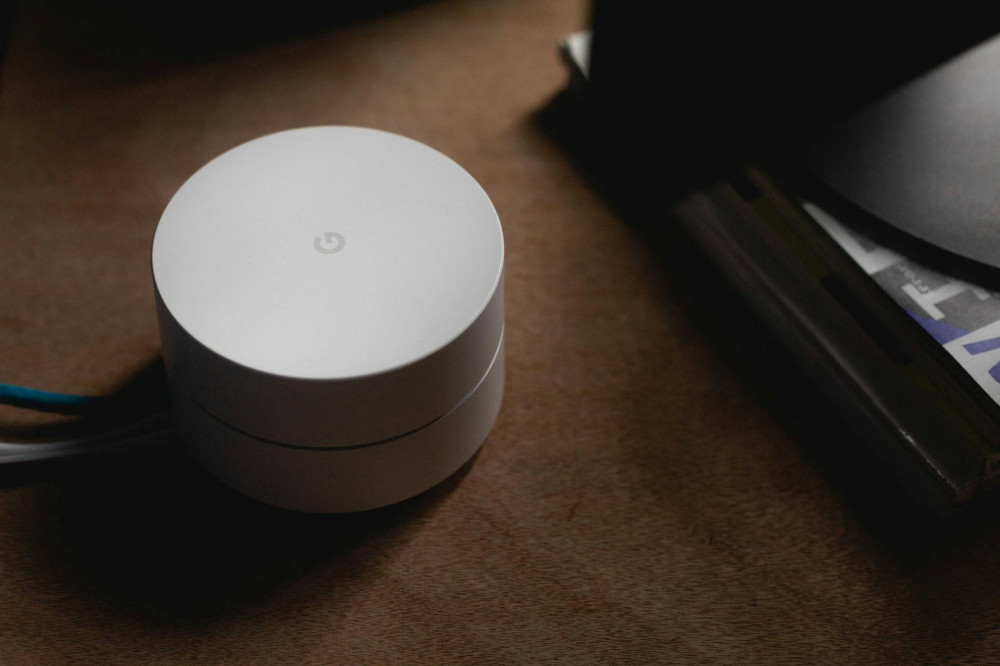
- Router quality and placement – Older or poorly placed routers may not handle modern speeds.
- Network congestion – Too many users in your home or neighborhood can create bottlenecks.
- Connection type and equipment – Fiber, cable, and DSL each have different capabilities, and low-quality cables or outdated modems can limit performance.
It’s a good idea to test your connection both over Wi-Fi and with a wired Ethernet cable to pinpoint where the issue lies.
Getting the Most Out of Your Connection
If you want to improve your internet experience, consider these steps:
- Place your router centrally and away from obstructions.
- Upgrade your equipment – a newer router can make a big difference.
- Use wired connections for devices that need stability, like gaming consoles or desktop PCs.
- Review your plan – if your household has grown or your needs have changed, it might be time to upgrade.
- Consider fiber – if available in your area, fiber internet typically offers high speed, low latency, and excellent reliability.
The Internet That Fits Your Life
Ultimately, it’s not just about numbers on a screen—it’s about how your connection performs in your daily life. For some, the priority is smooth streaming. For others, it’s lag-free gaming or crystal-clear video calls. By understanding the difference between speed, bandwidth, and latency, you can better evaluate what you really need—and make sure your home internet lives up to it.
Læs også: